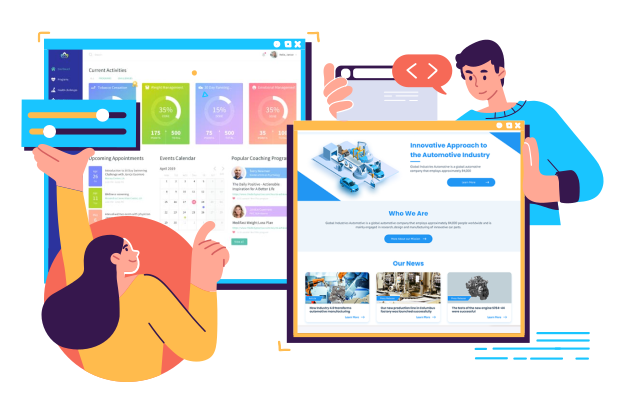
Is Your Website Stuck in the Past? Signs It's Time for an Upgrade
In today's fast-paced digital landscape, keeping your website up-to-date is essential for maintaining relevance and usability. If you're wondering whether your website is stuck in the past, consider these key signs:
- Outdated Design: If your website looks like it belongs in the early 2000s, it’s a clear indicator that an upgrade is necessary. Modern users expect sleek, responsive designs that adapt seamlessly to various devices.
- Slow Loading Times: A sluggish website can frustrate users and lead to high bounce rates. If your site takes more than a few seconds to load, it might be time for a refresh.
Additionally, another sign that it's time for an upgrade is the lack of mobile optimization. With mobile traffic now accounting for over half of all web visits, a website that isn't optimized for mobile users is missing out on a substantial audience. Furthermore, if your site lacks modern security features such as HTTPS or regular software updates, it poses a significant risk to your visitors' data. Embracing these upgrades not only enhances user experience but also boosts your search engine rankings, making it a crucial step for any business.
5 Common Features of Outdated Websites and How to Fix Them
In today's digital landscape, outdated websites can deter potential customers and harm your brand's credibility. One major feature that characterizes these sites is poor mobile responsiveness. As more users access the internet via smartphones and tablets, having a website that doesn't display correctly on these devices can lead to high bounce rates. Additionally, outdated websites often feature slow loading times due to unoptimized images and excessive use of heavy scripts, which can frustrate users and negatively impact search engine rankings.
Another common feature of outdated websites is their reliance on obsolete design trends. Utilizing excessive animations, clashing color schemes, or complex navigation can make a site look unprofessional. Moreover, many outdated websites lack clear calls to action, leaving visitors unsure of what steps to take next. To remedy these issues, focus on implementing a responsive design, optimizing images for faster loading, and using a clean, modern aesthetic with straightforward navigation. Regularly updating your content will also keep your audience engaged and improve your search engine visibility.
Why Mobile Responsiveness is Crucial for Modern Web Development
In today's digital landscape, mobile responsiveness is no longer just a nice-to-have; it is a crucial aspect of modern web development. With over half of global web traffic coming from mobile devices, websites that are not optimized for various screen sizes risk alienating a significant portion of their audience. A responsive design adjusts seamlessly to different devices, ensuring users have a consistent and enjoyable experience, whether they're accessing a site from a desktop, tablet, or smartphone. This adaptability not only enhances user satisfaction but also positively impacts site rankings in search engine results.
Moreover, failure to prioritize mobile responsiveness can lead to higher bounce rates. Users are more likely to leave a website that is not mobile-friendly, resulting in lost potential customers and reduced engagement. By implementing a responsive layout, web developers can improve loading times, streamline navigation, and present content more effectively. This holistic approach not only caters to users' preferences but also aligns with search engine algorithms that increasingly favor mobile-optimized sites, making mobile responsiveness vital for achieving long-term success in web development.