Understanding the Basics of Cybersecurity: What You Need to Know
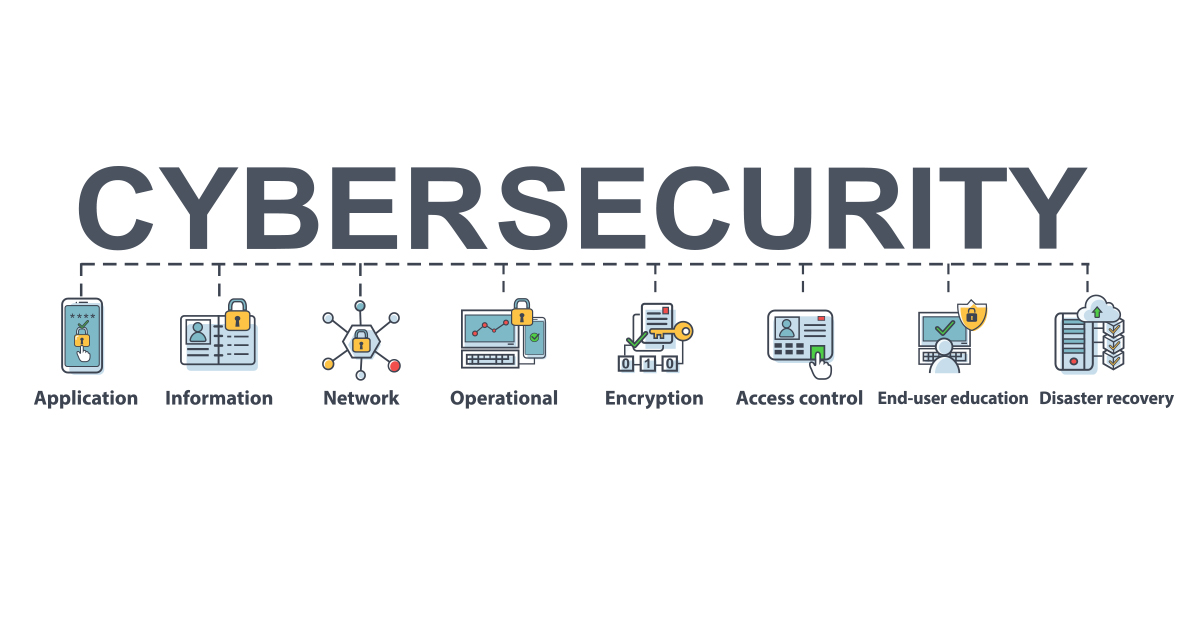
Understanding the basics of cybersecurity is essential in today's digital landscape, where threats to personal and organizational data are ever-present. Cybersecurity encompasses a range of practices, technologies, and processes designed to protect computers, networks, and data from unauthorized access, attack, or damage. Key elements of cybersecurity include:
- Risk Assessment: Identifying potential threats and vulnerabilities in your systems.
- Defense Strategies: Implementing firewalls, antivirus software, and encryption methods.
- Monitoring: Continuously observing systems for suspicious activities and breaches.
- Incident Response: Establishing a plan to respond to security breaches effectively.
As you delve deeper into cybersecurity, it’s important to understand the common types of threats that individuals and organizations face. These include:
- Malware: Malicious software designed to disrupt, damage, or gain unauthorized access to systems.
- Phishing: Fraudulent attempts to obtain sensitive information by disguising as a trustworthy entity in electronic communications.
- DDoS Attacks: Overwhelming a system, server, or network with traffic to render it unusable.
By grasping these fundamentals, you can take proactive steps to safeguard your digital presence against evolving cybersecurity threats.
Top 10 Cybersecurity Threats: Are You Protected?
Top 10 Cybersecurity Threats
In today's digital landscape, it's crucial to understand the top cybersecurity threats that can compromise your safety online. Organizations and individuals alike are vulnerable to a multitude of risks that can affect their data integrity and privacy. Here are ten prevalent threats that you should be aware of:
- Phishing Attacks
- Ransomware
- Malware
- Insider Threats
- DDoS Attacks
- Zero-day Exploits
- SQL Injection
- IoT Vulnerabilities
- Credential Theft
- Advanced Persistent Threats (APTs)
Being proactive is essential, as the consequences of falling victim to these cybersecurity threats can be severe. Businesses may face financial losses, brand damage, and legal repercussions, while individuals could suffer from identity theft and data breaches. To safeguard against these risks, implementing a comprehensive cybersecurity strategy is crucial. Regular software updates, employee training, and robust firewalls are just a few steps that can help bolster your defenses. Remember, in a world where threats are constantly evolving, staying informed and prepared is your best defense.
How to Build Your Own Cybersecurity Strategy: A Step-by-Step Guide
Creating a robust cybersecurity strategy is essential for protecting your organization's sensitive information. Begin by conducting a thorough risk assessment to identify potential vulnerabilities and threats. This involves evaluating your current security measures and determining areas that require improvement. Once you have a clear understanding of your risks, define your security objectives and establish a framework that outlines the roles and responsibilities of your team members. Engaging all stakeholders in this process is crucial, as it fosters a culture of security awareness throughout the organization.
After defining your objectives, it's time to implement your strategy. Start with an employee training program focused on cybersecurity best practices, covering topics such as password management, phishing detection, and safe internet usage. Next, choose and deploy appropriate technologies, such as firewalls, anti-virus software, and intrusion detection systems. Regularly test and update these systems to adapt to emerging threats. Finally, establish a response plan that outlines how to handle potential breaches, ensuring your organization can respond rapidly and effectively to any security incident.