5 Smart Home Gadgets That Will Make Your Appliances Your New Best Friends
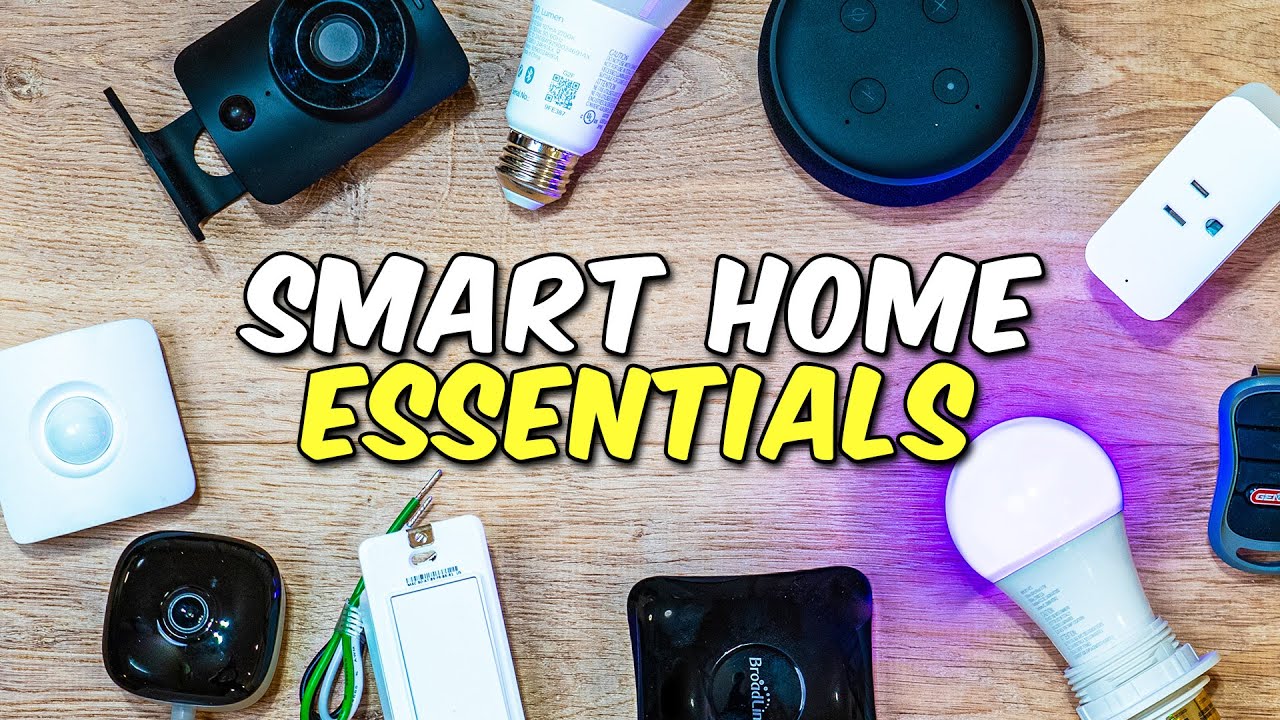
In today’s fast-paced world, integrating technology into our daily lives is no longer a luxury but a necessity. Smart home gadgets are revolutionizing the way we interact with our appliances, making them not just functional but also innovative companions in our homes. From smart thermostats that learn your preferences to intelligent refrigerators that create grocery lists for you, these devices are designed to enhance convenience and efficiency. Here are 5 smart home gadgets that will turn your conventional appliances into your new best friends:
- Smart Plugs: Transform any ordinary device into a smart gadget by connecting it to a smart plug. Control your appliances remotely through a smartphone app or set schedules to save energy.
- Smart Thermostats: These devices not only adjust the temperature based on your routine but also provide energy-saving recommendations, keeping your home comfortable and efficient.
- Smart Fridge: Equipped with touch screens and internet connectivity, modern smart fridges can help you keep track of your grocery inventory, plan meals, and even order groceries.
- Smart Speakers: Use them to control various appliances around your home, set reminders, play music, and access information hands-free.
- Smart Security Cameras: Keep an eye on your home from anywhere with smart security systems, providing peace of mind while enhancing the intelligence of your home appliances.
How AI is Revolutionizing Home Interactions: Is Your Fridge Smarter Than Your Ex?
The rise of artificial intelligence has transformed our homes into interconnected hubs of convenience and efficiency. From voice-activated assistants to smart appliances, AI technologies are now deeply embedded in our daily lives. Smart fridges, for instance, can track inventory, suggest recipes based on existing ingredients, and even alert you when you're low on essentials. As these innovations evolve, it begs the question: is your fridge smarter than your ex? While personal relationships can be complex, today's AI-driven appliances boast impressive capabilities that outshine many human interactions, making home environments not just more intelligent but also more engaging.
Moreover, the integration of AI in our homes encourages a seamless blend of technology and daily routines. Smart home systems can learn your preferences and adjust settings such as lighting and temperature automatically. Imagine walking into your kitchen and having your smart fridge greet you with a personalized message, while simultaneously updating your shopping list and playing your favorite playlist. This level of interaction exemplifies how AI is not only revolutionizing home experience but also redefining our expectations for everyday convenience. So, as we embrace these smart technologies, it's clear that AI is reshaping the way we interact with our homes, reminding us that sometimes the most reliable companions might just be our appliances.
The Future of Smart Kitchens: Conversations You Didn't Expect to Have
The future of smart kitchens is evolving rapidly, leading us to engage in conversations we never thought possible. Imagine discussing meal planning with your refrigerator, which can suggest recipes based on ingredients you have on hand while also monitoring your inventory to reduce food waste. As appliances become more interconnected through the Internet of Things (IoT), they can even communicate with one another to optimize cooking times and energy usage. What was once the realm of science fiction is quickly becoming our kitchen reality, raising intriguing questions about how technology will reshape our daily cooking and dining experiences.
Furthermore, the rise of artificial intelligence in smart kitchens brings with it discussions about personalization and dietary needs. Picture having a voice-activated assistant in your kitchen that understands dietary restrictions and preferences, making tailored recipe suggestions. This technology can also facilitate deeper conversations about sustainability, as smart kitchens can keep track of emissions and suggest eco-friendly practices. Ultimately, the integration of such advanced features not only enhances convenience but also challenges us to rethink our relationship with food, health, and the environment in a way we've never considered before.